The Science Behind Hair Transplants: How It Works
As the journey of hair restoration unfolds, it’s important to consider the long-term commitment involved in maintaining the health of transplanted hair. While hair transplants can yield permanent results, patients should be aware that ongoing care is essential to maximize the longevity and appearance of their new hair. This includes regular check-ups with their surgeon, adhering to prescribed treatments, and possibly integrating additional therapies to support hair health.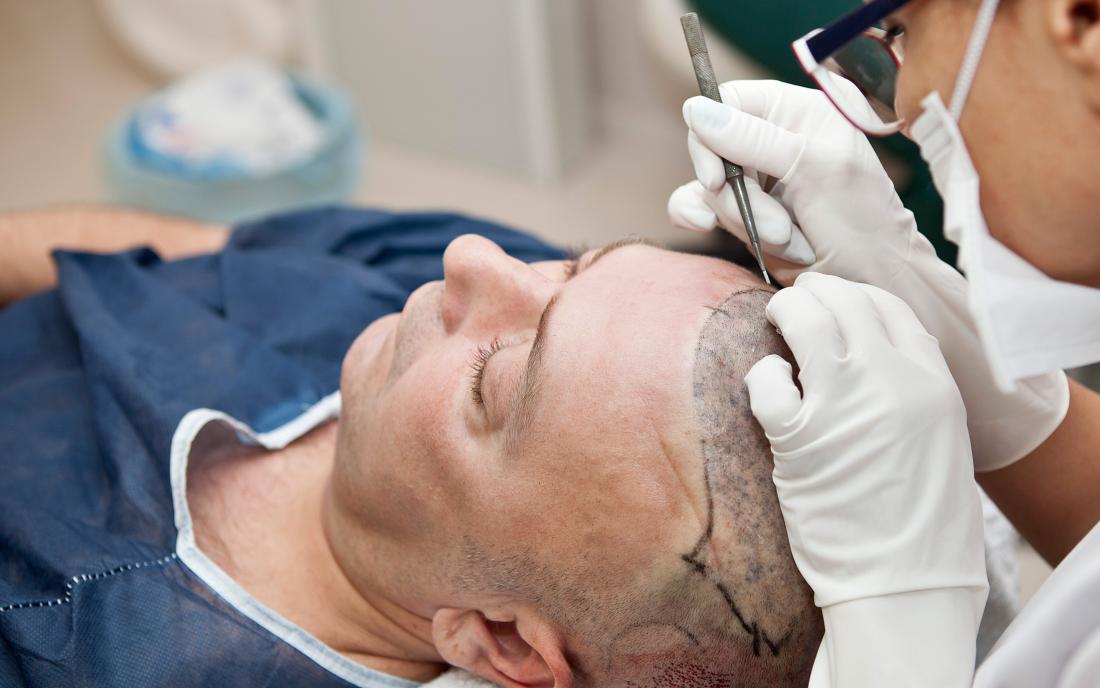
Post-operative care often includes the use of topical medications or treatments that promote hair growth and prevent further loss. Medications such as minoxidil or finasteride can help sustain the health of existing hair and prevent additional thinning. Patients are encouraged to remain vigilant about their hair care routines, using gentle products that do not irritate the scalp, and to avoid practices that could damage their hair, such as excessive heat styling or tight hairstyles.
In addition to medical treatments, lifestyle factors play a crucial role in the health of hair. A balanced diet rich in vitamins and minerals—particularly those known to support hair health, like iron, zinc, and vitamins A, C, and D—can make a significant difference. Regular exercise and effective stress management techniques, such as mindfulness or yoga, can also contribute to overall well-being, which in turn supports healthy hair growth.
The role of genetics in hair loss is an area saç ekimi türkiye of ongoing research, and understanding one’s family history can provide insights into the likelihood of future hair loss. For individuals with a family history of thinning hair, early intervention may be beneficial. Regular consultations with hair restoration specialists can help establish a proactive plan tailored to an individual’s unique genetic profile and hair loss progression.
As discussions around hair transplants and hair loss become more inclusive, it’s important to acknowledge that hair restoration is not a one-size-fits-all solution. Different individuals may have varying degrees of hair loss, different hair types, and unique aesthetic preferences. This diversity calls for personalized approaches to hair restoration, where specialists take the time to understand each patient’s individual needs and expectations.
Moreover, the narrative around masculinity and femininity in relation to hair is evolving. Traditionally, societal expectations have placed significant emphasis on hair as a marker of beauty and virility. As these norms shift, discussions about hair restoration are increasingly framed within the context of self-care rather than simply cosmetic enhancement. This perspective encourages individuals to view hair restoration as part of a broader commitment to their health and self-expression.
As the industry progresses, it’s also essential to foster transparency and ethical practices. Patients should feel empowered to ask questions about the procedures, the qualifications of their surgeons, and the materials used in hair transplants. Establishing a trusting relationship with healthcare providers not only enhances the overall experience but also contributes to better outcomes.
Looking ahead, innovations such as artificial intelligence and machine learning are expected to play a transformative role in hair restoration. These technologies can assist in patient assessment, treatment planning, and even predicting hair loss patterns based on genetic data. Such advancements promise to make the hair restoration process even more personalized and effective, potentially revolutionizing how practitioners approach treatment.
Furthermore, the global discourse on mental health continues to influence perceptions of beauty and self-worth. As society becomes more attuned to the psychological impact of hair loss, there is an increasing emphasis on emotional support throughout the hair restoration journey. Clinics that provide access to counseling or support groups can enhance the overall experience, helping patients to process their feelings about hair loss and the changes they are undergoing.
Finally, the significance of community in the hair restoration journey cannot be overstated. Support groups, both online and in-person, offer spaces for individuals to share their experiences, challenges, and triumphs. These communities can serve as a source of inspiration and encouragement, reminding individuals that they are not alone in their journey. By connecting with others who have undergone similar experiences, patients can gain valuable insights and foster a sense of belonging.
In conclusion, the journey of hair restoration through transplants is multifaceted, intertwining medical, emotional, and social dimensions. As individuals navigate their paths to reclaim their hair and confidence, it is essential to embrace a comprehensive approach that includes education, lifestyle adjustments, and emotional support. With ongoing advancements in technology and a growing understanding of the complexities of hair loss, the future of hair restoration holds promise for personalized and effective solutions. Ultimately, the journey is not just about restoring hair; it is about embracing one’s identity and fostering a positive relationship with oneself.…